
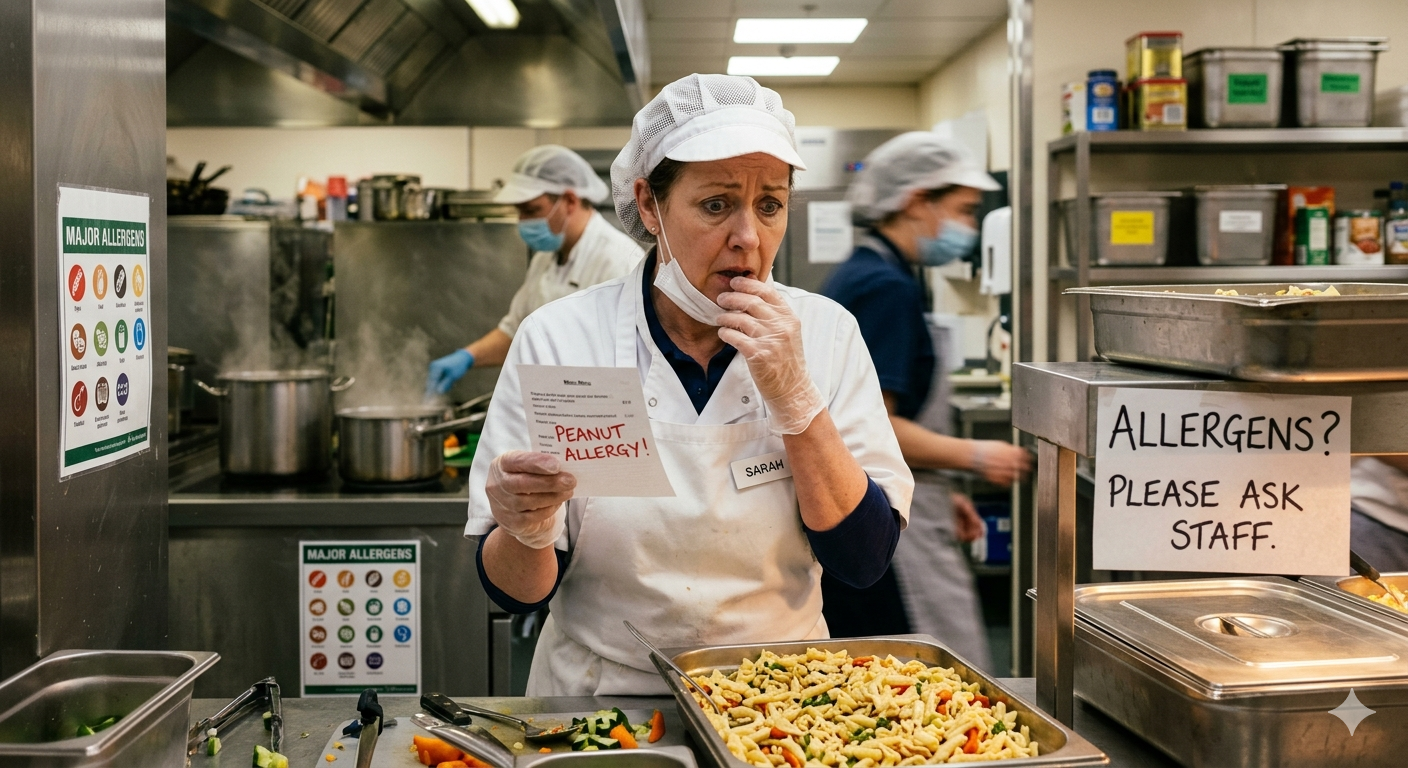
University catering teams face growing pressure to deliver safe, inclusive meals, while serving thousands of students, managing tight budgets, and maintaining operational efficiency. One of the biggest challenges remains clear: effective allergen management across complex foodservice environments.
From central production kitchens to multiple on‑site outlets, preventing cross‑contamination and ensuring accurate food information is critical – not only for student safety, but also for regulatory compliance and peace of mind.
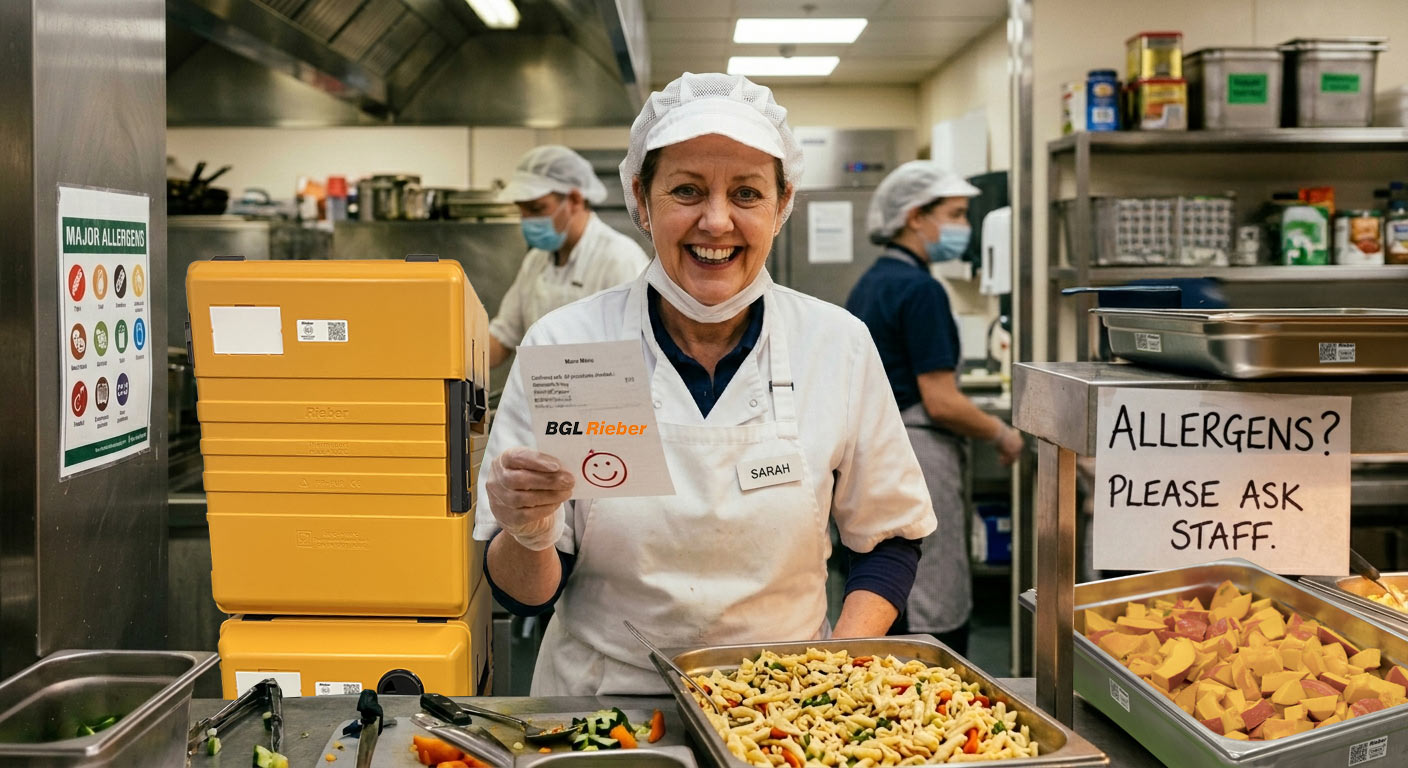
At BGL Rieber, we work closely with education and contract catering operators to support safer allergen control through thoughtful system design, digital traceability and structured HACCP processes.
Key challenges university caterers face
- Multiple allergens handled across shared spaces
- High staff turnover and training demands
- Pressure to provide clear and consistent food information
- Increased expectations from students with dietary needs
Practical ways to reduce allergen risk
- Clear segregation of ingredients using colour‑coded containers and utensils
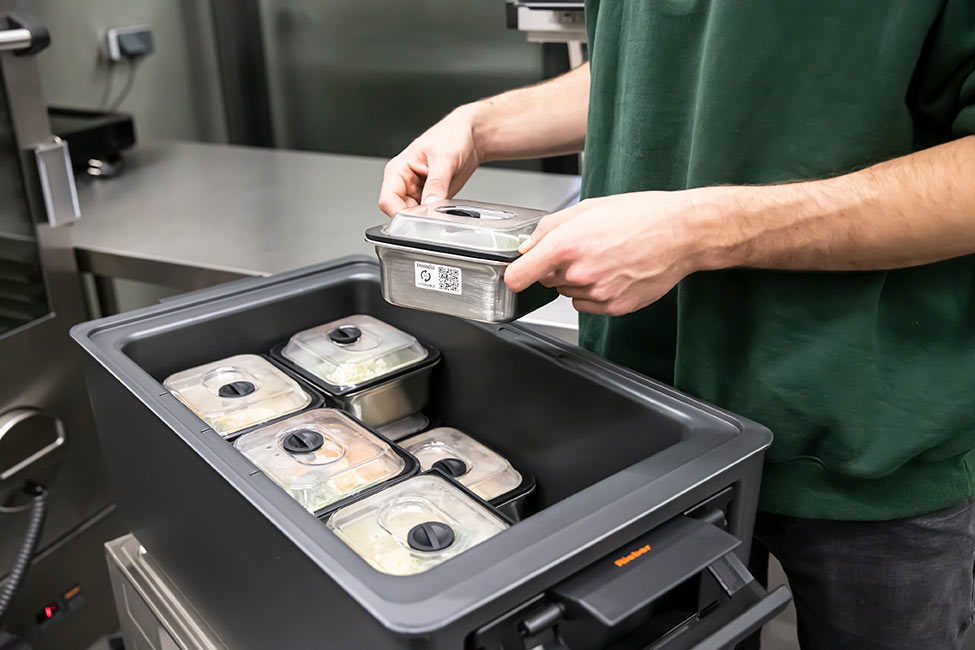
- Safe storage and transport with sealed gastronorm systems
- Consistent labelling to retain allergen information from kitchen to counter
- Durable, hygienic equipment that supports daily cleaning protocols
To support both everyday operations and compliance documentation, BGL Rieber offers a connected system approach:
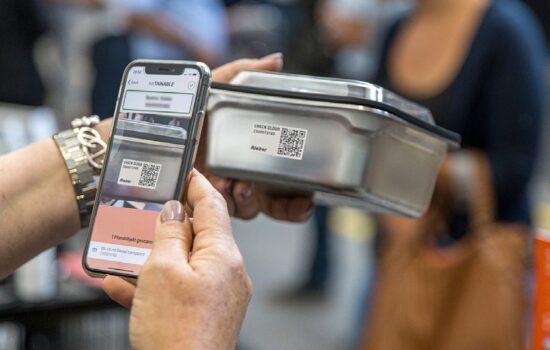
QR codes on gastronorm containers allow teams to instantly access key data such as allergens, ingredients, recipes, production dates and handling instructions.
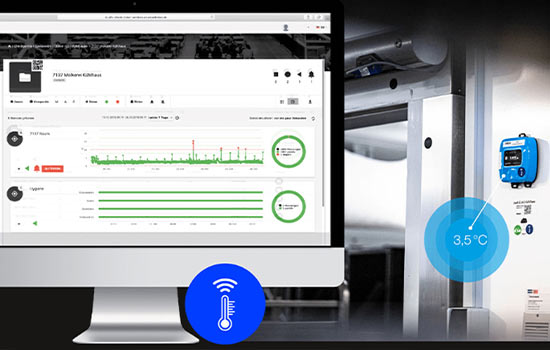
Rieber Check HACCP provides a digital framework for recording, monitoring and documenting critical control points, cleaning routines and temperature checks.
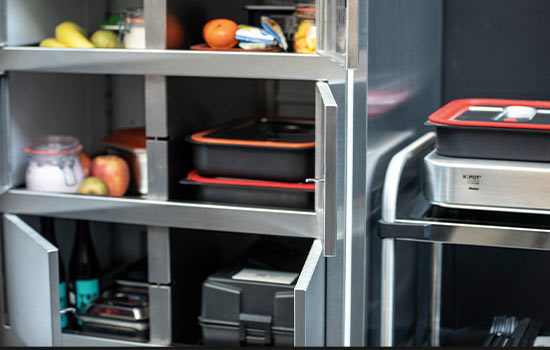
Rieber Multipolar adds an extra layer of control by enabling secure and lockable refrigeration.
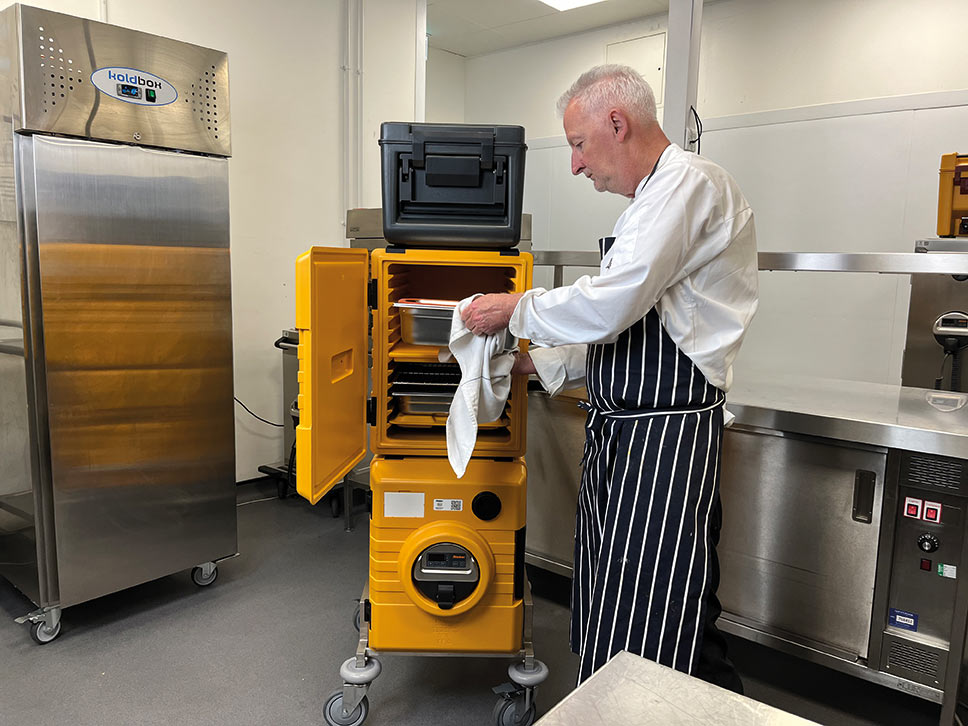
Designed to hold gastronorm containers securely, Thermoport systems support hot or cold food transport while reducing the risk of cross‑contamination during transit. Combined with clear labelling and digital identification, they help ensure the right food arrives at the right destination, in the right condition, with allergen information intact.
Together, these solutions help ensure that allergen information and HACCP records remain consistent, accessible and auditable, even when food moves between production kitchens, satellite outlets and front‑of‑house service areas.
BGL Rieber’s GN containers, colour‑coding, digital identification, Thermoport transport solutions and HACCP systems are designed to help kitchen teams organise processes, reduce risk and demonstrate due diligence.
By embedding allergen control and HACCP documentation into everyday workflows, from preparation and storage to transport and service, catering teams can improve safety, streamline operations, and reassure students, staff and auditors alike.
If you’d like to explore how structured systems and digital tools can support allergen management and HACCP compliance in your university catering operation, we’d be delighted to help.